
In today’s fast-paced, digital world, the convergence of technology and traditional marketing has created new avenues for growth and success. One such avenue that I’ve come to realize has significantly enhanced my sales skills is social media marketing. Over the years, managing social media platforms for various clients and businesses has not only transformed my approach to marketing but has also equipped me with tools, strategies, and insights that have made me a better salesperson. In this article, I’ll share how the experience of managing social media marketing campaigns improved my sales abilities, enhanced my customer relations, and provided a deeper understanding of consumer behavior.
The Power of Social Media Marketing
Before diving into the specifics of how social media management made me a better salesperson, it’s essential to understand the significance of social media marketing. Social media has transformed how brands communicate with customers, how businesses generate leads, and how products and services are sold. Platforms like Facebook, Instagram, Twitter, LinkedIn, and TikTok are not just for social interaction anymore; they are critical marketing tools that help businesses engage with their target audiences, create brand awareness, and ultimately drive sales.
What stands out about social media marketing is its interactive nature. Unlike traditional methods like TV or print ads, social media allows for two-way communication between businesses and customers. This immediacy and directness create opportunities for brands to not only market products but also listen, engage, and build meaningful relationships with their audiences. This dynamic interaction is what initially intrigued me and made me realize the immense potential of social media marketing in improving sales.
Understanding Customer Needs Through Engagement
The first major lesson I learned through managing social media marketing was the importance of understanding customer needs. Social media platforms are a goldmine of information about your target audience. By closely monitoring comments, direct messages, and interactions on posts, I gained insights into what customers truly wanted, their pain points, and what solutions they were seeking.
Before transitioning into social media management, my sales techniques were more traditional—pushing the benefits of a product or service without fully understanding what the customer was looking for. But with social media, the approach shifted dramatically. I started to see that selling is not just about talking about what you’re offering but understanding how it fits into the lives of potential customers. By listening to customer feedback on social media, I could tailor my sales pitches to meet specific needs, ensuring that I wasn’t just offering a product, but providing a solution to a problem.
This approach made me a better salesperson because it shifted the focus from selling to serving. It wasn’t about pushing products onto people; it was about building trust and offering genuine value, which created long-lasting customer relationships.
Building Trust and Credibility
Trust and credibility are key to making a sale. When I began managing social media campaigns, one of the first things I realized was the importance of consistent and transparent communication. Social media is a platform where customers can easily access information about a brand, its values, and its products or services. They expect authenticity, honesty, and transparency. A well-crafted social media strategy isn’t just about promoting products but also about establishing the brand as a reliable and trustworthy source.
As a salesperson, I started to apply these same principles. I understood that customers are more likely to buy from businesses they trust. This means being upfront about product features, pricing, and delivery times. It’s about setting clear expectations and following through on promises. In the same way, my social media campaigns focused on building trust with potential customers, I began to nurture customer relationships by being transparent and providing accurate, honest information.
Moreover, managing social media taught me the importance of responding to queries promptly and professionally. Whether through comments or direct messages, customers often have questions that can influence their purchasing decisions. By providing helpful, timely responses, I not only ensured customer satisfaction but also demonstrated the brand’s commitment to customer care. This simple yet powerful strategy became a cornerstone of my sales efforts, as it showed customers that I valued their time and concerns.
Targeting and Personalization
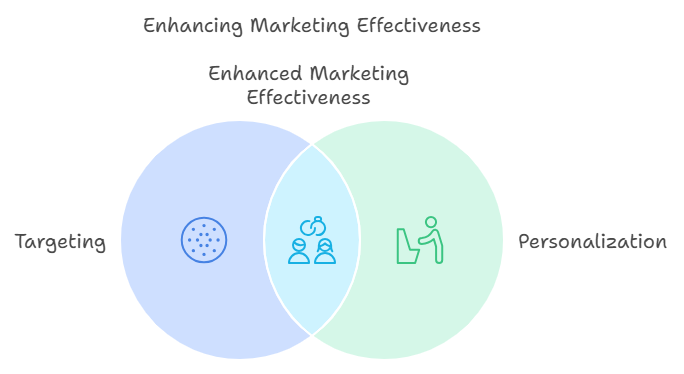
One of the key advantages of social media marketing is the ability to target specific demographics. As a social media manager, I was able to segment audiences based on their interests, location, behavior, and more. This precision in targeting allowed me to craft personalized marketing messages that resonated with each segment.
This experience directly translated into my sales skills. In sales, one-size-fits-all approaches rarely work. Every customer is unique, and they have their own set of preferences, pain points, and goals. Just as social media allows marketers to tailor messages to specific segments, I started tailoring my sales approach to each individual customer. Whether through email, phone calls, or face-to-face meetings, I focused on understanding the customer’s specific needs and presented solutions that were most relevant to them.
The ability to personalize my approach made me more effective in closing deals. It allowed me to engage with customers on a deeper level, showing them that I understood their needs and was offering a product or service that aligned with their goals. This level of personalization is not something that traditional marketing can easily replicate, and it’s one of the most valuable lessons I learned through social media marketing.
Data-Driven Decision Making
Social media marketing is a data-driven field. The ability to track metrics such as engagement rates, click-through rates, conversion rates, and customer demographics provides marketers with valuable insights into what is working and what isn’t. I became adept at analyzing these metrics to optimize campaigns and improve performance.
As a salesperson, this data-driven approach has been incredibly helpful. It has taught me the importance of tracking key performance indicators (KPIs) in my sales efforts. By analyzing data, I can identify which sales techniques are yielding the best results and refine my approach accordingly. For example, if I notice that personalized email campaigns have a higher conversion rate, I can focus more on crafting personalized messages for potential customers. Alternatively, if I see that certain objections are consistently hindering sales, I can address those objections upfront in my pitch.
The ability to make decisions based on data rather than gut feelings has made me a more effective and efficient salesperson. It allows me to continually improve and optimize my sales strategies, ensuring that I am working smarter, not harder.
The Importance of Consistency
Consistency is key in social media marketing. Whether it’s posting regularly, maintaining a consistent brand voice, or engaging with followers consistently, being consistent helps build brand recognition and trust over time. Managing social media taught me that success doesn’t happen overnight. It requires persistence, patience, and a consistent effort to deliver value.
This lesson has been invaluable in sales. Sales is often a long-term game, not a one-time transaction. The more consistently I reach out to prospects, follow up, and nurture relationships, the more successful I am in closing deals. Just as social media marketing requires regular engagement with audiences, sales requires ongoing communication with potential customers. This consistency, combined with a focus on building relationships rather than simply closing deals, has allowed me to cultivate a loyal customer base.
Building a Community
One of the most exciting aspects of social media marketing is the ability to build a community. A brand’s social media presence can attract followers who share common interests and values, creating a community of loyal supporters. Managing social media taught me the power of community building and how it can lead to organic word-of-mouth marketing and long-term success.
As a salesperson, I began to apply this concept by focusing on creating a sense of community with my customers. This could mean creating a space where customers could share their experiences with the product, offering loyalty programs that reward repeat customers, or simply engaging with customers on a personal level. Building a community not only increased customer retention but also turned satisfied customers into brand advocates, leading to more referrals and ultimately more sales.
Conclusion
Managing social media marketing has had a profound impact on my sales career. From understanding customer needs and building trust to personalizing my approach and making data-driven decisions, the lessons learned from social media marketing have transformed me into a more effective and thoughtful salesperson. Social media marketing is not just about pushing products; it’s about creating meaningful relationships, understanding customer pain points, and offering solutions that provide real value.
As I continue to grow in both fields, I realize that the intersection of social media marketing and sales is where true success lies. By leveraging the insights gained from social media and applying them to my sales strategy, I’ve been able to build stronger connections with customers, close more deals, and become a better salesperson overall. Social media has taught me that at the heart of sales is the ability to listen, understand, and serve—and that, above all, is what makes a great salesperson.