

Starting a business is one of the most exciting and rewarding ventures one can embark on. It offers the opportunity to create something meaningful, have control over your future, and potentially achieve financial success. However, the journey of an entrepreneur is filled with challenges, uncertainties, and risks. From the initial spark of an idea to building a successful company, the path to entrepreneurship is complex and requires a great deal of determination, resilience, and strategic thinking.
This article will walk you through the essential stages of becoming an entrepreneur: starting your business, running it efficiently, and growing it over time. Whether you are planning to launch a startup, take over an existing business, or expand an established company, these insights will provide you with the tools, strategies, and knowledge you need to succeed.
Starting Your Business: From Idea to Launch
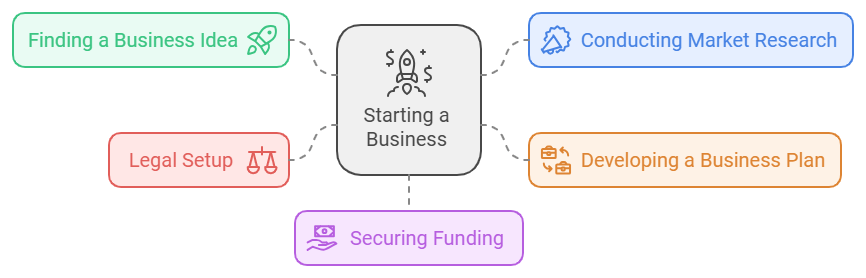
1. Find Your Passion and Business Idea
Every successful business starts with a great idea. Finding a business idea that aligns with your interests and passions is crucial because the journey of entrepreneurship can be challenging. If you’re not passionate about what you’re doing, it will be hard to stay motivated when you face obstacles along the way.
How to Find Your Business Idea:
- Identify Your Strengths and Skills: Your business should leverage your existing knowledge and skills. Consider industries or fields you are familiar with and can offer something unique.
- Solve a Problem: Look for gaps in the market or problems that people face. Businesses that offer solutions to specific problems often have a competitive advantage.
- Follow Your Passion: Think about what excites you. Whether it’s a hobby, an interest, or an issue that you’re passionate about, a business rooted in passion is more likely to succeed.
- Analyze Trends and Market Needs: Pay attention to industry trends and emerging markets. New technologies, changing consumer behaviors, and evolving regulations can create opportunities for innovation.
Once you’ve identified your idea, ensure that it is viable by evaluating its potential to meet market demand, and consider how it fits into the current competitive landscape.
2. Conduct Market Research
Market research is one of the most important steps when starting your business. By understanding your target audience, competitors, and market conditions, you can make informed decisions that will shape your business strategy.
Steps for Effective Market Research:
- Target Audience Analysis: Define your ideal customers by demographics (age, gender, income level, etc.) and psychographics (interests, values, lifestyle). Understanding who they are, what they want, and how they make purchasing decisions will help you design effective marketing campaigns.
- Competitive Analysis: Research your competitors—both direct and indirect. Analyze their products or services, pricing strategies, marketing tactics, and customer feedback. This will help you identify opportunities to differentiate your business and provide more value.
- SWOT Analysis: Assess the Strengths, Weaknesses, Opportunities, and Threats (SWOT) of your business idea. This helps you understand the internal and external factors that could impact your success.
Market research should be an ongoing process throughout the life of your business. As customer preferences and market conditions change, it’s important to stay updated and adjust your strategies accordingly.
3. Develop a Business Plan
A business plan is a roadmap that outlines how you will start, run, and grow your business. It is crucial for both your internal planning and external communication, such as securing funding from investors or lenders.
Key Components of a Business Plan:
- Executive Summary: A concise overview of your business idea, mission, and vision. It should clearly communicate what your business does and why it will succeed.
- Company Description: A detailed explanation of your business, including its structure, products or services, and target market.
- Market Research: Insights into the industry, competitors, and target audience that you gathered through your research.
- Marketing and Sales Strategy: A plan for how you will attract and retain customers. This includes pricing, advertising, promotion, and sales tactics.
- Operational Plan: A breakdown of the day-to-day operations of your business, including location, equipment, suppliers, and staffing.
- Financial Plan: Detailed financial projections, including startup costs, revenue forecasts, profit margins, and funding needs.
A well-thought-out business plan can guide your decision-making, help you stay focused, and attract potential investors or partners.
4. Register Your Business and Legal Considerations
Once you have your business plan in place, the next step is to legally establish your business. This involves registering your company and ensuring that you are compliant with local, state, and national regulations.
Steps for Legal Setup:
- Choose a Business Structure: Common business structures include sole proprietorship, partnership, LLC (Limited Liability Company), and corporation. The structure you choose will impact your taxes, liability, and ability to raise capital.
- Register Your Business Name: Choose a name that reflects your business and is easy to remember. Check if the name is available by searching online databases and registering it with the appropriate government authority.
- Obtain Necessary Permits and Licenses: Depending on your industry and location, you may need specific permits or licenses to operate legally. Check with local government authorities to determine the requirements for your business.
- Set Up Financial Accounts: Open a business bank account and set up accounting systems to manage your finances. It’s essential to separate personal and business expenses for legal and tax purposes.
Consulting with an attorney or accountant during this process can help ensure that you meet all legal requirements and avoid costly mistakes.
5. Secure Funding for Your Business
Most businesses require some form of capital to get started, whether it’s for purchasing equipment, inventory, or paying for operational expenses. There are several ways to secure funding, depending on the nature of your business and your financial situation.
Common Funding Sources:
- Personal Savings: Many entrepreneurs use their savings to fund the initial stages of their business. This is the most straightforward option but comes with personal risk.
- Family and Friends: Borrowing money from family or friends is another common funding method. However, this can strain personal relationships if the business doesn’t succeed.
- Bank Loans: Traditional bank loans or lines of credit can provide the necessary capital. However, getting a loan can be challenging for new businesses without an established credit history.
- Venture Capital and Angel Investors: If your business has high growth potential, you may be able to secure funding from venture capitalists or angel investors. These investors often provide significant amounts of capital in exchange for equity in the company.
- Crowdfunding: Platforms like Kickstarter or Indiegogo allow entrepreneurs to raise funds by appealing directly to the public. This can be a good option for businesses with compelling ideas that resonate with potential backers.
Consider the pros and cons of each funding source and choose the one that best suits your business needs and goals.
Running Your Business: Managing Operations Effectively
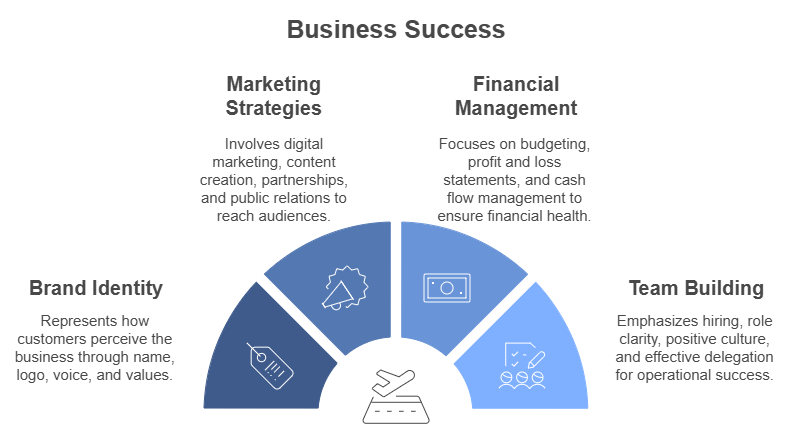
1. Develop a Strong Brand Identity
Your brand is how your customers perceive your business. A strong brand identity can set you apart from competitors, build trust with your audience, and create loyalty.
Elements of a Strong Brand Identity:
- Brand Name and Logo: Choose a name and design a logo that represents your business and is easily recognizable.
- Brand Voice and Messaging: Establish a consistent tone and message for all your communication, whether it’s marketing materials, customer service interactions, or social media.
- Brand Values: Clearly define your business values and mission. Customers are more likely to support brands that align with their personal values, so it’s important to communicate what your business stands for.
Your brand should be reflected in every aspect of your business, from your website to your customer service to your packaging.
2. Effective Marketing and Sales Strategies
Running a business involves ongoing efforts to market your products or services and generate sales. Marketing and sales go hand in hand, but they are distinct processes that require different approaches.
Marketing Strategies:
- Digital Marketing: In today’s world, digital marketing is crucial. Use search engine optimization (SEO), social media marketing, email campaigns, content marketing, and paid ads to reach your target audience online.
- Content Marketing: Create valuable, relevant content that attracts potential customers. Blog posts, videos, and podcasts can educate your audience, build trust, and drive traffic to your website.
- Brand Partnerships: Collaborating with complementary businesses or influencers can help expand your reach and attract new customers.
- Public Relations: Managing media relations and seeking press coverage can help boost your credibility and brand visibility.
Sales Strategies:
- Sales Funnel: Develop a sales funnel to guide customers through their buying journey. This includes awareness, interest, consideration, and conversion stages.
- Personalization: Tailor your sales approach to each individual customer. Personalized emails, offers, and recommendations can improve conversion rates.
- Customer Relationship Management (CRM): Invest in CRM software to manage customer data, track leads, and maintain long-term relationships with your clients.
3. Managing Financials and Cash Flow
One of the biggest challenges for entrepreneurs is managing finances. Cash flow problems are one of the leading causes of business failure, so it’s crucial to keep a close eye on your revenue and expenses.
Key Financial Considerations:
- Budgeting: Develop a detailed budget to track all of your income and expenses. Regularly review your budget to ensure you are staying on track and making adjustments as needed.
- Profit and Loss (P&L) Statements: Regularly generate P&L statements to understand your business’s financial health. These reports help you assess profitability, identify trends, and make informed financial decisions.
- Cash Flow Management: Ensure that you have enough cash flow to cover operational expenses. Consider implementing strategies such as offering discounts for early payments or securing lines of credit to manage fluctuations in cash flow.
4. Building a Team and Delegating Responsibilities
As your business grows, you will need to build a team to help you run operations. Hiring the right people is key to scaling your business effectively.
Key Hiring and Team-Building Tips:
- Define Roles Clearly: Be clear about each team member’s responsibilities and how they fit into the broader business goals.
- Foster a Positive Company Culture: A positive and inclusive culture helps attract top talent and retain employees. Encourage open communication, collaboration, and innovation.
- Delegate Effectively: As an entrepreneur, it’s important to delegate tasks to employees or contractors to ensure you can focus on growing the business.
Growing Your Business: Scaling and Expanding
1. Evaluate Your Business Model and Pivot When Necessary
As your business matures, you may find that your original business model needs to evolve. Reevaluate your business strategy periodically to identify opportunities for growth and areas where you can innovate.
- Product Expansion: Introduce new products or services that complement your existing offerings. This can help you reach new customer segments and increase sales.
- Market Expansion: Consider expanding into new geographical markets or targeting different demographics to increase your customer base.
2. Leverage Technology for Growth
Embrace new technologies to streamline operations and scale your business efficiently. Cloud-based tools, artificial intelligence, automation, and advanced analytics can help you improve productivity, reduce costs, and optimize marketing efforts.
3. Seek Funding for Growth
If you’re looking to scale your business, additional funding may be required. In addition to the funding options mentioned earlier, you may also consider securing venture capital, private equity, or government grants designed to support business growth.
Conclusion
Starting, running, and growing a business is a journey that requires dedication, patience, and constant adaptation. As an entrepreneur, you need to be flexible, innovative, and resilient in the face of challenges. By following the steps outlined in this article—starting with a solid idea, conducting thorough research, and executing effective strategies—you’ll be better equipped to turn your entrepreneurial vision into a thriving business. With the right tools, mindset, and commitment, you can create a successful business that lasts for years to come.

