Introduction
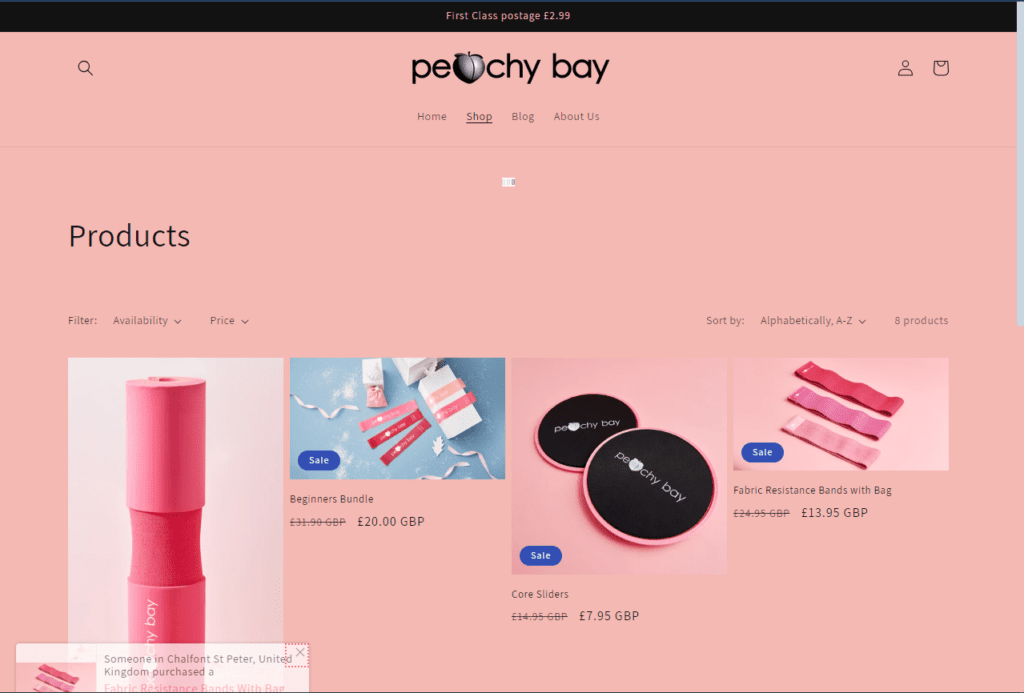
Peachy Bay, an e-commerce store based in the UK, offers a wide range of lifestyle products. The business was experiencing significant website traffic but struggling to convert visitors into paying customers. After being approached to improve their conversion rate, I implemented a structured Conversion Rate Optimization (CRO) strategy that delivered measurable results. This case study explores the steps taken to achieve those improvements.
Objectives
The primary goal of the project was to increase the conversion rate on Peachy Bay’s website without increasing the amount of traffic. Specifically, the focus was on:
- Reducing the bounce rate.
- Improving the checkout process to minimize cart abandonment.
- Enhancing user experience (UX) to create a seamless journey from product discovery to purchase.
- Increasing overall sales through data-driven optimizations.
Challenges
Before implementing CRO, Peachy Bay faced several challenges:
- High cart abandonment rates: Many users would add products to their cart but leave before completing the purchase.
- Unclear navigation: Visitors struggled to find specific products due to complex navigation menus.
- Slow page loading times: Some product pages were slow to load, especially on mobile devices.
- Low conversion on mobile: Despite a large percentage of traffic coming from mobile, conversion rates were significantly lower compared to desktop visitors.
CRO Process and Implementation
1. Data Collection and Analysis
The first step involved a deep analysis of website performance using tools like Google Analytics, Hotjar, and Google PageSpeed Insights. Key findings included:
- High bounce rates on mobile devices.
- Drop-offs occurring frequently during the checkout process.
- Certain product pages experiencing longer load times, especially on mobile.
2. A/B Testing
To test various hypotheses, we conducted several A/B tests:
- CTA Button Placement and Color: We tested different versions of the “Add to Cart” button, experimenting with both its placement and color. A version where the button was placed higher on the page and colored in a more eye-catching shade saw a significant uplift in clicks.
- Product Page Layout: The original product pages were lengthy and filled with excessive information. A streamlined version with a concise product description, large images, and prominent customer reviews improved engagement and sales.
- Checkout Process Optimization: By simplifying the checkout process and reducing the number of steps, we minimized friction for the users. An A/B test revealed that the shortened checkout resulted in a 15% reduction in cart abandonment.
3. User Experience (UX) Improvements
Based on user behavior insights from tools like heatmaps and session recordings, we focused on key UX optimizations:
- Improved Mobile Responsiveness: A mobile-first design approach was applied to optimize product pages and navigation for smartphones, making the experience smoother for mobile users.
- Navigation Enhancements: The navigation menu was restructured to make product categories more intuitive. We introduced a search bar with auto-suggestions to help users find products faster.
- Load Time Reduction: To address slow page speeds, we compressed images and used lazy loading techniques to improve overall site performance. This particularly helped mobile users and resulted in better engagement metrics.
4. Personalization and Social Proof
To build trust and increase conversions, we personalized the shopping experience and added social proof:
- Personalized Recommendations: We introduced product recommendations based on users’ previous browsing and purchase history.
- Customer Reviews and Ratings: Prominently displaying customer reviews and average product ratings added credibility and helped drive conversions, especially for high-ticket items.
5. Exit-Intent Popups and Incentives
To capture users who were about to leave the site without purchasing, we added exit-intent popups offering a discount on their first order. This small incentive led to a noticeable increase in completed transactions.
Results
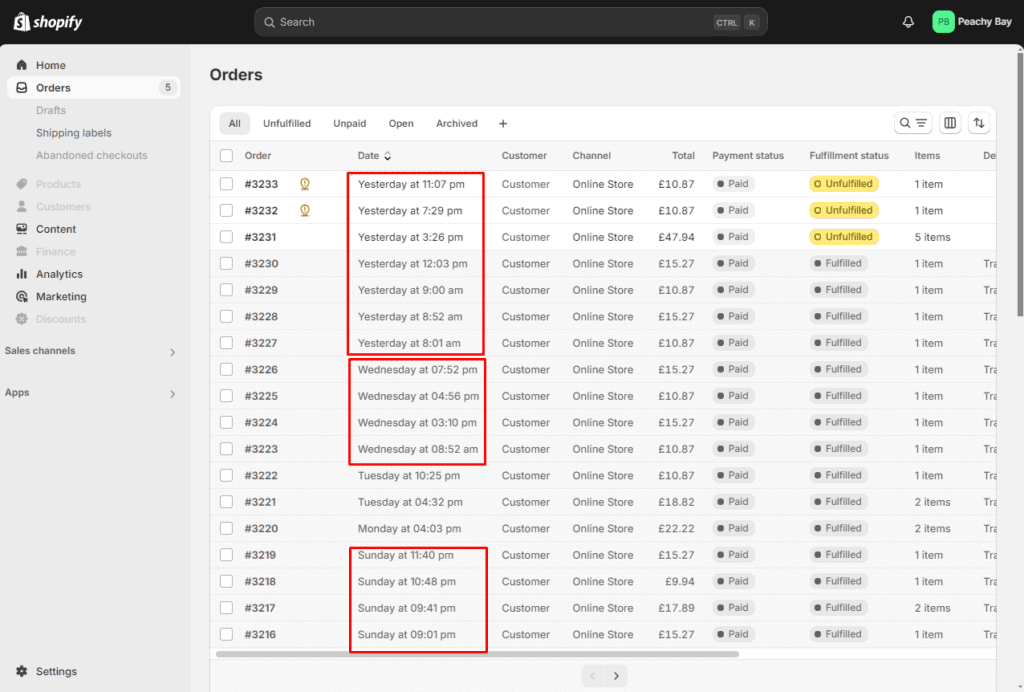
After implementing these Conversion Rate Optimization (CRO) strategies, Peachy Bay saw impressive results within the first three months:
- Conversion Rate Increase: The overall website conversion rate increased by 35%.
- Cart Abandonment Reduction: The abandonment rate dropped by 20%, leading to more completed purchases.
- Mobile Conversion Rate: Mobile conversions improved by 50%, closing the gap between mobile and desktop performance.
- Average Order Value (AOV): The AOV increased by 10% due to upselling and cross-selling strategies implemented on product and checkout pages.
- Faster Page Load Times: Page load times improved by 40%, which contributed to lower bounce rates and higher user engagement.
Key Takeaways
The success of Peachy Bay’s CRO project demonstrates the power of data-driven optimization in e-commerce. By making targeted improvements to the user experience, simplifying the checkout process, and leveraging personalized elements, we were able to significantly increase the conversion rate and overall sales.
Next Steps
Moving forward, we plan to continue A/B testing new ideas and fine-tuning elements of the site to sustain and further improve performance. The focus will now shift toward long-term retention strategies, such as email marketing and loyalty programs, to keep new customers engaged and drive repeat purchases.
Conclusion
This case study illustrates how effective Conversion Rate Optimization (CRO) can transform website performance and drive revenue without needing to invest in additional traffic. Through consistent testing, UX improvements, and data-driven decisions, Peachy Bay was able to significantly boost its conversions and sales in a short time. The strategies used here can be adapted to any e-commerce platform looking to enhance its conversion rate.
Want to run your own CRO but unsure where to start? Just contact us and we can help you!