

In today’s digital world, the importance of search engine optimization (SEO) cannot be overstated. Whether you’re a business owner, a marketer, or a content creator, understanding SEO is crucial to driving organic traffic to your website. Organic traffic refers to visitors who land on your website as a result of unpaid search results, meaning your website shows up on a search engine’s results page (SERP) without the need for paid ads.
This guide will walk you through proven strategies to enhance your website’s SEO performance, increase organic traffic, and ensure long-term visibility in search results. From understanding the core principles of SEO to actionable tips, this article will help you take your website to new heights.
What is SEO and Why Does It Matter?
SEO is the practice of optimizing your website to rank higher on search engine results pages. When a user types a query into Google or any other search engine, SEO ensures that your website is visible to them. The higher your site ranks on these pages, the more likely it is that users will click through to your website.
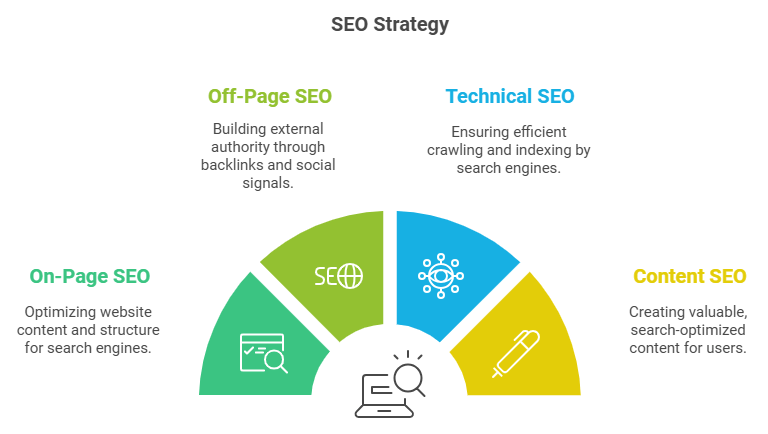
There are several key components of SEO that you must master:
- On-Page SEO: This focuses on optimizing the content and structure of your website to make it more search-engine friendly.
- Off-Page SEO: This refers to external factors like backlinks, social signals, and other external sources that contribute to your website’s authority.
- Technical SEO: It ensures that search engines can crawl and index your website effectively and efficiently.
- Content SEO: This involves creating content that is both valuable to users and optimized for search engines.
Together, these elements form the foundation of a successful SEO strategy, which directly impacts organic traffic growth. Let’s explore each of these components in detail.
1. Understanding Keywords and Their Importance
The foundation of any SEO strategy lies in understanding the keywords that your audience uses to search for content. Keywords are the terms and phrases people type into search engines when looking for information. If you want to drive organic traffic, it’s essential to target the right keywords.
Keyword Research Tools
There are many tools available to help you with keyword research. Some popular ones include:
- Google Keyword Planner: A free tool from Google that helps you find keywords with high search volume and low competition.
- SEMrush: This tool allows you to identify keywords that your competitors are ranking for, providing valuable insights into their SEO strategies.
- Ahrefs: A comprehensive SEO tool that includes keyword research, backlink analysis, and site audits.
Once you’ve selected your target keywords, you’ll need to optimize your content around them to rank higher in the search results.
Long-Tail Keywords
While focusing on high-volume keywords might seem like the best option, long-tail keywords—longer, more specific phrases—can often bring in more targeted organic traffic. These keywords tend to have less competition and are easier to rank for.
For example, instead of targeting “digital marketing,” you might target “how to use digital marketing for small businesses in 2024.”
2. On-Page SEO: Optimizing Your Content
On-page SEO is about optimizing individual pages of your website. It focuses on content and HTML source code to help search engines understand your pages. Let’s go over the critical on-page factors that impact organic traffic.
Title Tags and Meta Descriptions
- Title Tags: The title tag is a critical ranking factor and should include the primary keyword for that page. Keep it concise (under 60 characters) and ensure it reflects the content of the page.
- Meta Descriptions: This is a short description of the content that appears below your page title in search results. While meta descriptions do not directly influence rankings, a compelling description can encourage users to click on your website.
Header Tags (H1, H2, H3, etc.)
Using header tags properly helps both search engines and users understand the structure of your content. The H1 tag should contain your primary keyword, and subsequent headings (H2, H3) should support the content in a logical structure.
Keyword Optimization
Incorporating keywords naturally into your content is one of the most crucial on-page SEO elements. However, keyword stuffing (overusing keywords) can harm your rankings. Instead, aim for a natural keyword density and use variations and related terms to avoid redundancy.
Internal Linking
Internal linking is essential for guiding visitors to other relevant content on your website. It also helps search engines understand your site’s structure. Ensure that your internal links use descriptive anchor text and provide value to the user.
User Experience (UX)
Search engines prioritize websites that offer excellent user experience (UX). This means:
- Fast loading times (aim for less than 3 seconds)
- Mobile responsiveness (ensure your site works well on all devices)
- Clear navigation and structure
3. Off-Page SEO: Building Authority
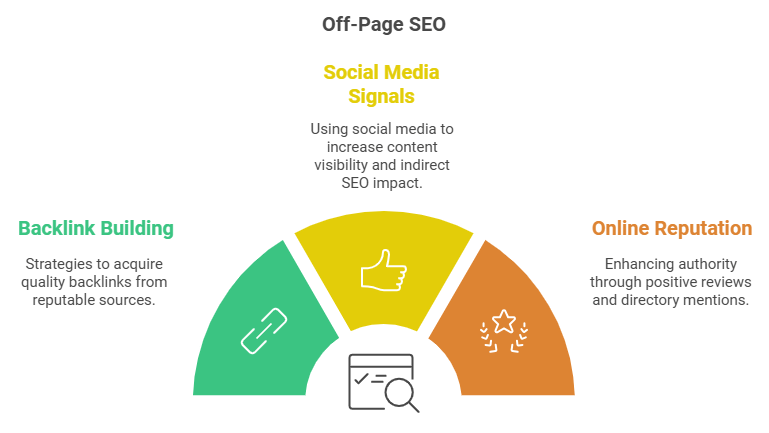
Off-page SEO refers to actions taken outside of your website to improve its ranking. The most important off-page factor is backlinks—links from other websites that point to your content.
Backlink Building
Backlinks are one of the most important ranking factors. When a reputable website links to yours, it signals to search engines that your content is valuable and trustworthy. There are several ways to acquire quality backlinks:
- Guest Blogging: Writing guest posts for other websites in your industry is a great way to earn backlinks.
- Influencer Outreach: Collaborate with influencers or industry experts to mention your site or share your content.
- Content Marketing: Creating high-quality, shareable content increases the chances of others linking back to your site.
Social Media Signals
While social media activity itself doesn’t directly influence SEO rankings, social signals (likes, shares, comments) can indirectly drive traffic to your website. By sharing your content on social media, you can increase its visibility and encourage others to link to it.
Online Reviews and Reputation
Search engines also consider your online reputation. Positive reviews and mentions in reputable online directories, such as Google My Business, Yelp, and Trustpilot, can enhance your authority and boost local SEO rankings.
4. Technical SEO: Ensuring Search Engine Crawling and Indexing
Technical SEO involves optimizing your website’s backend so that search engines can crawl and index your site more effectively. If search engines cannot properly crawl and index your website, they won’t rank your pages.
Site Speed
Site speed is a critical factor for both SEO and user experience. Websites that load slowly tend to have higher bounce rates, which negatively impacts rankings. You can use tools like Google PageSpeed Insights to analyze and optimize your website’s loading time.
Mobile Optimization
With mobile-first indexing, Google primarily uses the mobile version of your website to rank pages. Therefore, it’s crucial to ensure your website is mobile-friendly and offers a smooth browsing experience on smartphones and tablets.
XML Sitemap
An XML sitemap helps search engines understand the structure of your website. It’s a simple way to tell search engines which pages to crawl and index. Ensure your sitemap is up to date and submitted to Google Search Console.
SSL Certificate
Security is a top priority for both search engines and users. A website with HTTPS encryption is considered more secure and is likely to rank higher than an HTTP website.
5. Content SEO: Creating Valuable and Engaging Content
Content is king when it comes to SEO. Google aims to provide users with the best possible answers to their queries, which means your content needs to be relevant, informative, and engaging.
High-Quality, Informative Content
Create content that answers your audience’s questions. Whether it’s blog posts, how-to guides, case studies, or product descriptions, ensure that your content is comprehensive and informative.
Content Length
While there’s no definitive length for optimal content, longer content tends to rank better because it covers a topic in-depth. Aim for at least 1,000-1,500 words, but don’t sacrifice quality for length.
Multimedia Content
Images, videos, infographics, and podcasts can make your content more engaging and shareable. Ensure that you optimize multimedia by using descriptive alt text for images and transcripts for videos.
6. Monitoring and Analytics: Tracking SEO Performance
SEO is not a one-time effort; it requires continuous monitoring and adjustments. Use tools like Google Analytics and Google Search Console to track the performance of your website and see how it ranks for target keywords.
Google Analytics
Google Analytics helps you track:
- Organic traffic
- Bounce rate
- Average session duration
- Conversions and goals
Google Search Console
Google Search Console provides insights into how your site is performing in search. It shows you which keywords are driving traffic, how your site appears in search results, and any crawl errors that may hinder performance.
Conclusion: Building Long-Term Organic Traffic
SEO is an ongoing process that requires consistent effort, monitoring, and optimization. By implementing the strategies mentioned above—keyword research, on-page SEO, off-page SEO, technical SEO, and content SEO—you’ll be well on your way to driving organic traffic to your website. Remember, SEO is a marathon, not a sprint, and results take time. However, with persistence and dedication, the benefits will be well worth the investment.
By providing high-quality content, ensuring a smooth user experience, and building backlinks, you’ll not only improve your search engine rankings but also attract more relevant traffic to your site, ultimately increasing conversions and business growth.

