
In today’s digital age, businesses are constantly on the lookout for effective ways to reach their target audience and drive engagement. Among the myriad of marketing strategies available, email marketing stands out as one of the most powerful and cost-effective methods. This article delves into the importance of email marketing, examining its advantages, best practices, and how it can be leveraged to achieve business goals.
Understanding Email Marketing
Email marketing is the process of sending targeted messages to a group of people via email. This can include promotional content, newsletters, product announcements, and personalized offers. The goal is to engage recipients, foster relationships, and ultimately drive conversions.
The Evolution of Email Marketing
Email marketing has come a long way since its inception in the early days of the internet. Initially, it was primarily used for sending mass emails to potential customers, often resulting in spammy inboxes and a negative reputation. However, as technology advanced and consumer behavior evolved, email marketing transformed into a more sophisticated and personalized approach. Today, it incorporates automation, segmentation, and analytics, making it an indispensable tool for marketers.
The Importance of Email Marketing
1. Direct Communication with Customers
One of the most significant advantages of email marketing is its ability to facilitate direct communication with customers. Unlike social media or other digital marketing channels, emails land directly in a person’s inbox, ensuring that your message is seen. This direct line of communication allows businesses to convey their messages without the interference of algorithms or noise that often plagues social media platforms.
2. Cost-Effectiveness
Email marketing is one of the most cost-effective marketing strategies available. With low overhead costs and the ability to reach a large audience simultaneously, businesses can achieve a high return on investment (ROI). According to studies, email marketing can generate an ROI of up to $42 for every dollar spent, making it an attractive option for businesses of all sizes.
3. High Engagement Rates
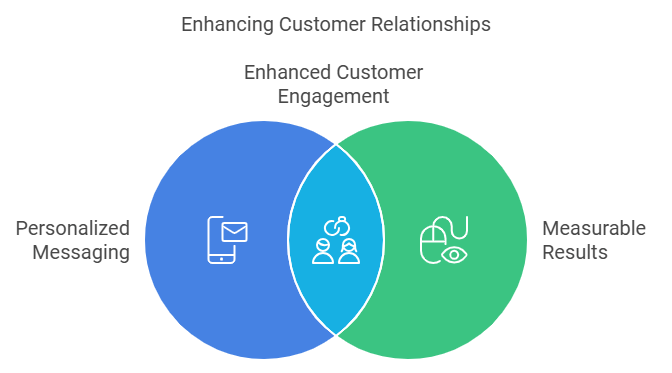
Email marketing consistently boasts higher engagement rates compared to other digital marketing channels. Open rates, click-through rates, and conversion rates for email campaigns are typically higher than those for social media or display advertising. This high level of engagement can be attributed to the personalized nature of email marketing, which allows businesses to tailor their messages to specific segments of their audience.
4. Personalization and Segmentation
Modern email marketing platforms offer advanced segmentation and personalization features, enabling businesses to send targeted messages based on customer behavior, preferences, and demographics. Personalization can significantly enhance the effectiveness of email campaigns, as customers are more likely to engage with content that resonates with their interests. For example, a clothing retailer can segment its email list based on past purchases, sending tailored recommendations to each customer.
5. Building Customer Relationships
Email marketing is an invaluable tool for nurturing relationships with customers. Regular communication helps to keep your brand top-of-mind and fosters trust and loyalty. By providing valuable content, special offers, and personalized messages, businesses can create a sense of belonging and community among their subscribers.
6. Driving Traffic and Conversions
Emails can effectively drive traffic to your website or landing pages. By including compelling calls-to-action (CTAs) in your emails, you can guide recipients to take specific actions, such as making a purchase, signing up for a webinar, or downloading a resource. This capability makes email marketing a powerful driver of conversions and sales.
7. Measurable Results
One of the key benefits of email marketing is the ability to track and measure campaign performance. Marketers can analyze open rates, click-through rates, conversion rates, and other metrics to gauge the effectiveness of their campaigns. This data-driven approach allows businesses to make informed decisions, optimize their strategies, and improve future campaigns.
8. Automation Capabilities
Email marketing automation has revolutionized how businesses communicate with their audiences. Automated campaigns can be triggered based on specific actions, such as cart abandonment or sign-ups, allowing for timely and relevant communication. This not only saves time but also ensures that customers receive the right message at the right moment.
9. Enhancing Brand Awareness
Regularly sending emails helps to reinforce brand awareness and recognition. Consistency in branding, messaging, and design across email campaigns can help establish a strong brand identity. As customers become more familiar with your brand, they are more likely to consider your products or services when making purchasing decisions.
10. Increasing Customer Retention
Email marketing is an effective way to retain existing customers. By nurturing relationships through regular communication, businesses can reduce churn rates and encourage repeat purchases. Sending targeted emails with exclusive offers, loyalty rewards, or personalized content can keep customers engaged and coming back for more.
11. Reaching a Broad Audience
Email marketing allows businesses to reach a diverse audience, regardless of geographical location. With billions of email users worldwide, businesses can expand their reach and connect with potential customers across the globe. This global reach makes email marketing an essential strategy for businesses looking to scale their operations.
12. Supporting Other Marketing Channels
Email marketing works synergistically with other marketing channels, enhancing overall marketing efforts. For example, email campaigns can promote social media content, drive traffic to blog posts, or support search engine optimization (SEO) efforts. Integrating email marketing with other strategies can create a cohesive brand experience and amplify reach.
13. Customer Feedback and Insights
Email marketing provides an opportunity to gather valuable customer feedback and insights. By including surveys or polls in your emails, you can gain a deeper understanding of your audience’s preferences and pain points. This information can inform product development, marketing strategies, and overall business decisions.
14. Event Promotion
For businesses that host events, email marketing is a powerful tool for promotion. Whether it’s a webinar, conference, or product launch, emails can effectively generate interest and drive registrations. Sending reminders and follow-ups can also help to maximize attendance and engagement.
15. Encouraging User-Generated Content
Email marketing can encourage customers to share their experiences and create user-generated content. By inviting subscribers to share photos, reviews, or testimonials, businesses can leverage this content in future marketing efforts. User-generated content not only builds community but also serves as authentic social proof for potential customers.
Best Practices for Email Marketing
To fully harness the power of email marketing, businesses should follow best practices that enhance effectiveness and compliance.
1. Build a Quality Email List
A quality email list is the foundation of successful email marketing. Focus on growing your list organically through opt-in forms, lead magnets, and signup incentives. Avoid purchasing email lists, as this can lead to low engagement rates and potential spam complaints.
2. Segment Your Audience
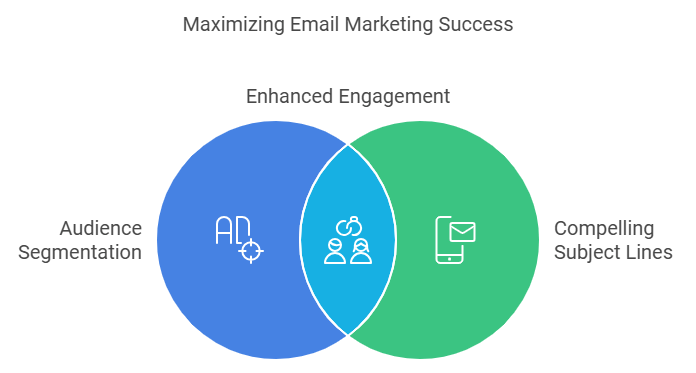
Segmentation allows businesses to send targeted messages based on customer behavior and preferences. Use data to create segments based on demographics, purchase history, engagement levels, and more. This personalized approach increases the likelihood of engagement and conversions.
3. Craft Compelling Subject Lines
The subject line is the first impression your email makes on recipients. Craft compelling, concise, and relevant subject lines that entice recipients to open your email. Experiment with different styles and formats to see what resonates with your audience.
4. Focus on Mobile Optimization
With the growing use of mobile devices, it’s essential to optimize your emails for mobile viewing. Ensure that your emails are responsive, with clear formatting and easy-to-click buttons. A mobile-friendly design enhances user experience and increases engagement.
5. Provide Value
Every email you send should provide value to the recipient. Whether it’s informative content, exclusive offers, or helpful tips, make sure your emails are relevant and beneficial to your audience. Providing value fosters trust and encourages continued engagement.
6. Include Clear Calls-to-Action
Every email should have a clear call-to-action (CTA) that guides recipients on what to do next. Whether it’s making a purchase, signing up for a webinar, or downloading a resource, ensure that your CTAs are prominent and persuasive.
7. Test and Optimize
Regularly test different elements of your email campaigns, such as subject lines, content, design, and sending times. Use A/B testing to compare performance and optimize your emails for better results. Continuous improvement is key to successful email marketing.
8. Monitor Analytics
Leverage analytics to track the performance of your email campaigns. Monitor open rates, click-through rates, conversion rates, and other key metrics to gain insights into what’s working and what needs improvement. Use this data to refine your strategies and enhance future campaigns.
9. Ensure Compliance
Email marketing is subject to regulations such as the CAN-SPAM Act and GDPR. Ensure that your email practices comply with these regulations by obtaining consent from subscribers, providing clear opt-out options, and respecting privacy.
10. Maintain Consistency
Establish a regular cadence for your email campaigns to maintain consistency. Whether it’s weekly newsletters or monthly promotions, find a schedule that works for your audience and stick to it. Consistency helps build trust and keeps your brand top-of-mind.
Conclusion
In an increasingly competitive digital landscape, email marketing remains a vital component of any successful marketing strategy. Its ability to facilitate direct communication, drive engagement, and generate measurable results makes it a powerful tool for businesses of all sizes. By embracing best practices and leveraging the unique advantages of email marketing, businesses can build lasting relationships with customers, drive conversions, and ultimately achieve their marketing goals.As we move forward, the importance of email marketing will only continue to grow, making it essential for businesses to prioritize and invest in this dynamic channel. In the end, those who master the art of email marketing will stand out in the crowded marketplace, fostering deeper connections with their audience and driving sustainable growth.